
Buy Wool Now
Why natural fiber activewear is on the rise

This month, farmers and ranchers in the Northern Hemisphere are shearing their sheep. Most will receive 35% more for their fleece than they did last year. The last few months, my inbox has also been inundated with lists of natural fiber activewear or emails from brands focusing on the natural fiber content of their products. Wool is a hot commodity. The demand for wool, specifically finer varieties for activewear and performance clothing, is skyrocketing.
My first instinct is that this trend is a result of consumer awareness. Plastics are bad for the environment— 35% of microplastics in the ocean come from clothing. Wearing, especially sweating in plastic, is bad for you. Polyester clothing often contains PFAs, toxic forever chemicals. But we discovered polyester’s prolific shedding of microplastics over a decade ago. Same with the toxicity of clothing. With time, awareness inevitably increases, but I don’t think that’s really the reason we’re just now turning away from exercising in plastic clothing.
In 2021, I had lunch with the head of sales for one of Peru’s major spinning and knitting mills. He spent most of the meal talking about the knits they were developing for activewear. His job is to travel primarily to the US and Europe and find new or growing markets for alpaca products. For the past few decades, he’s been focused on luxury clothing and home goods. But those markets have started to plateau. With alpaca’s inherent properties, like moisture-wicking, thermo-regulation, and breathability, he thought marketing it to activewear and outdoor brands was a no-brainer. He also noticed a lot of other knitwear mills doing the same.
Lunches like this one, office or studio visits, and trade shows with fabric mills and suppliers have a huge impact on what we wear, specifically which fibers we wear, in future seasons. Suppliers visit designers with examples of what they can produce, planting seeds in the designers’ minds. Maybe the head of product of a major outdoor brand never thought of developing a mid-layer with alpaca fiber, then a mill representative shows them an inspiring swatch they like. Two years later, we’re getting a marketing email singing the praises of alpaca in the outdoors.
Wearing woolen fibers in the outdoors is not a new concept, but it hasn’t been trendy for the past few decades (read Amelia Arvesen's latest wool article to learn more). Knitting mills globally spent the last five years convincing designers and product developers to use more wool. The designers, especially those who want to be cool and different from the industry giants, included the wools in their designs. Marketers told the story of wool’s great qualities and why it’s better to exercise in natural fibers. Consumers responded positively, the products sold out, and brands added more wool to future collections. The mills’ marketing campaigns worked- wool demand has and will continue to increase.
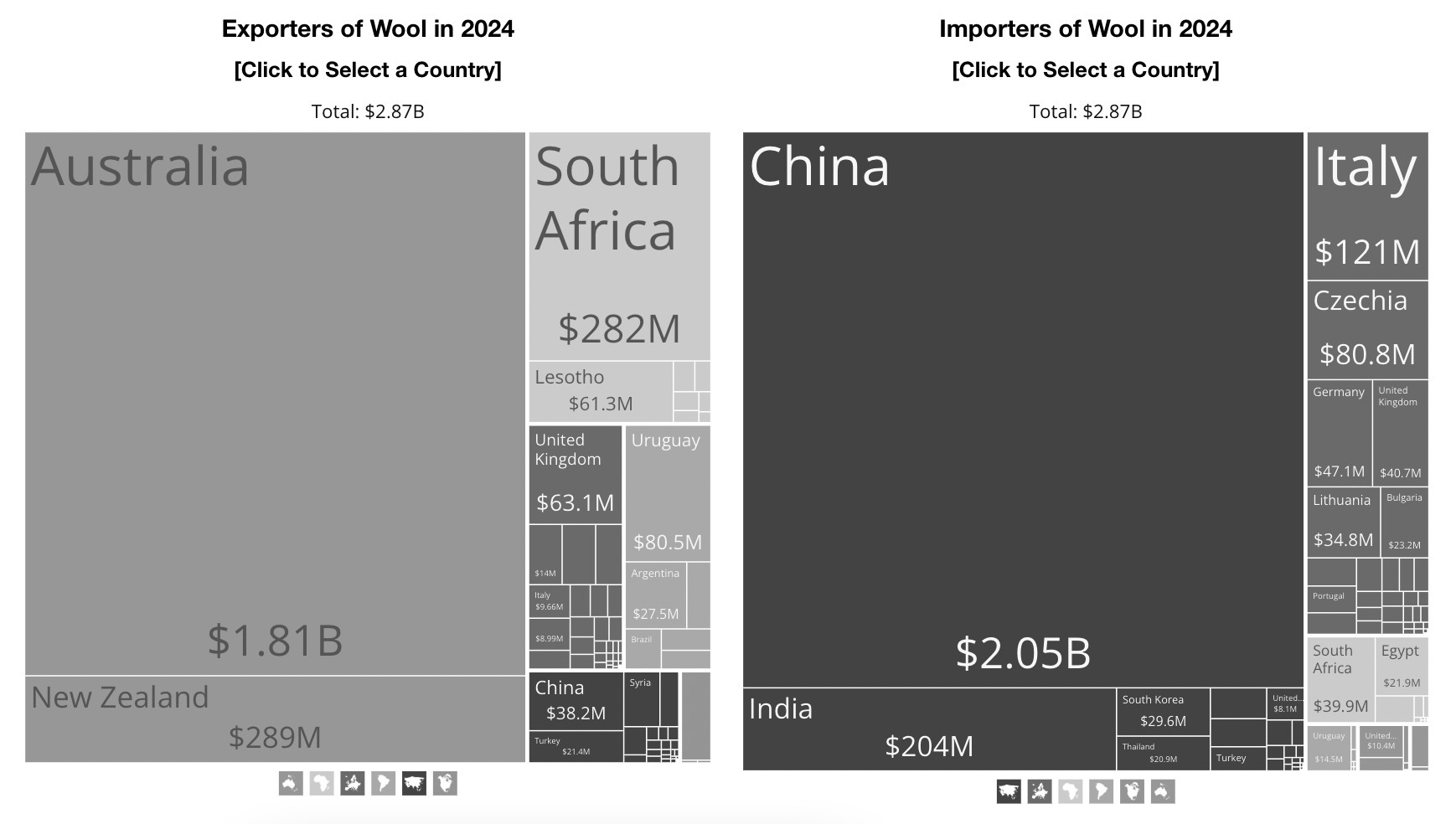
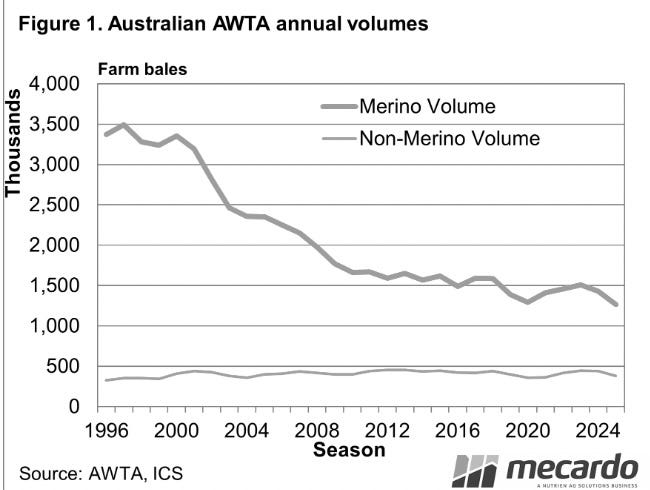
The 35% price increase is also a result of a supply decrease. Australia is the world’s leader in wool production. It produces up to 80% of the world’s finer wool, like merino. Production of merino in Australia has been in steady decline over the last few decades. Factors such as high costs, lower prices compared to lamb and meat production, increasingly intense and frequent droughts, labor shortages, and stagnant prices have caused the decline.
Even with the shrinking supply, Australia produces enough wool to make about 869 million wool sweaters in 2024. Almost all of that wool is exported. In the first few months of 2026, China has bought about 90% of Australia’s wool. A move that resulted in wool’s commodity price increasing sharply. Merino prices will continue to rise. The increase in prices will inspire ranchers to invest in larger flocks and produce more fleece, but growing sheep herds, especially those producing fine fleece, is a long process. It will also make wool garments more expensive, which will dampen demand. Eventually, the wool markets will level out.
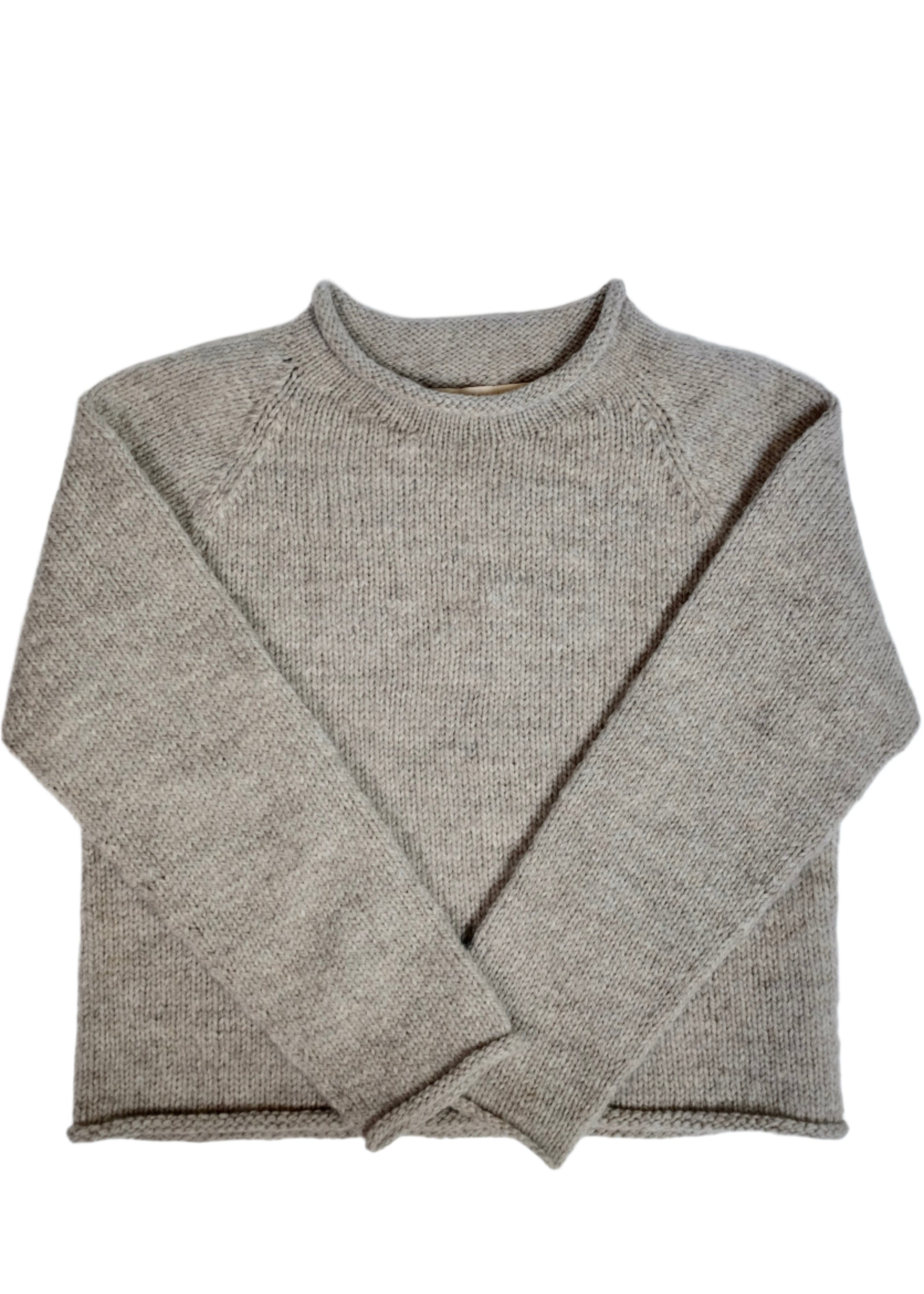
To borrow a phrase from other great marketing campaigns, some clothing, like wool sweaters, is an investment piece. By spending more on a higher-quality sweater, you can invest in one that will serve you long into the future. Right now, we’re at a turning point where wool pieces are about to be a much more expensive investment.* Now is the time to invest in wool garments: prices are lower than they will be over the next few years.
NOTES:
https://www.woolmark.com/fibre/woolgrowers/where-wool-comes-from/
https://www.wool.com/news-events/news/drought-continues-to-impact-australian-wool-production/
https://mecardo.com.au/australian-wool-in-review-2024-25/
https://www.textiletoday.com.bd/wool-prices-hit-multi-year-highs-as-supply-tightens-and-demand-grows